Project Evidence
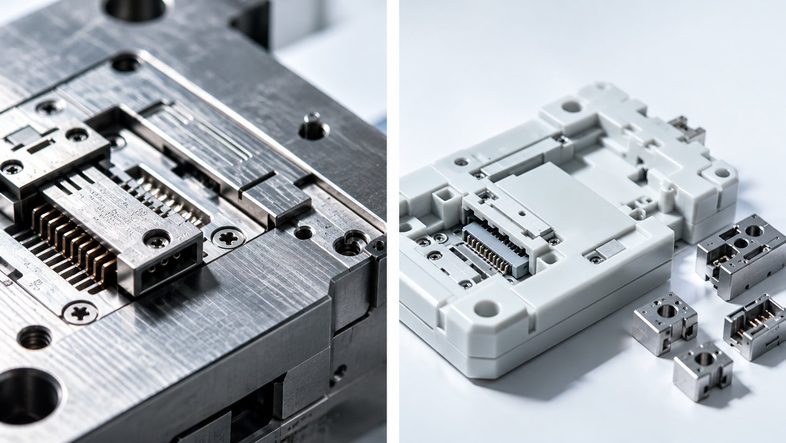


Project Evidence
Electronic components reviewed against the BOM.
Cost and component analysis.
Engineering and commercial review.
Breaking down product cost structures and evaluating components, suppliers and alternatives to support better sourcing decisions.
Discuss Your ProjectThe client is an international buyer holding supplier quotations for an electronic product, seeking greater visibility into cost before committing to production. Details confidential.
Understand the product’s cost drivers, compare suppliers on a like-for-like basis, and identify qualified alternatives without compromising requirements.
Replace price-only comparison with a structured cost analysis that supports informed sourcing decisions.
The client held supplier quotations but lacked a clear view of how the product’s cost was actually built. A quotation is a single number; it does not explain which components drive cost, where alternatives exist, or how different suppliers compare on the same specification. Without that visibility, sourcing decisions were based on price alone, and opportunities to improve cost or reduce risk were easy to miss.
How Phenom Sourcing approached this project — from understanding requirements through controlled delivery.
Reviewed the product specification, target cost and the quotations the client already held.
Broke the product into cost-driving elements (BOM, components, process) and screened supplier options.
Built a transparent cost picture and proposed qualified alternatives where sound.
Compared suppliers on a like-for-like basis so the decision was documented and repeatable.
Mapped the full bill of materials, identifying every component and cost driver.
Reviewed components for specification, pricing and availability, proposing alternatives where sound.
Built a transparent cost picture rather than negotiating the quoted price directly.
Identified qualified alternative components and suppliers to widen options.
Evaluated suppliers on capability, price and reliability for a clearer decision.
Full component and sub-assembly mapping.
Per-component cost visibility.
Qualified substitute options reviewed.
Like-for-like quotation comparison.
Cost drivers addressed through design and sourcing.
A clear basis for sourcing decisions.
Where samples were involved, quality checks were aligned with the agreed specification so that lower cost did not come at the expense of conformance. Cost optimization was treated as a structure review, not a price-only negotiation.
The project workflow from requirement through delivery.
Understand spec, target cost and quotations.
Map every component and cost driver.
Assess specification, price and availability.
Identify qualified alternative components/suppliers.
Compare like-for-like on the same spec.
Confirm the recommended structure is feasible.
Supplier quotations are easier to evaluate when the underlying product cost structure is understood.
Tell us about your product, sourcing requirements or manufacturing challenge. We can help assess the right supplier, development approach and quality requirements.


