Project Evidence
Project Evidence
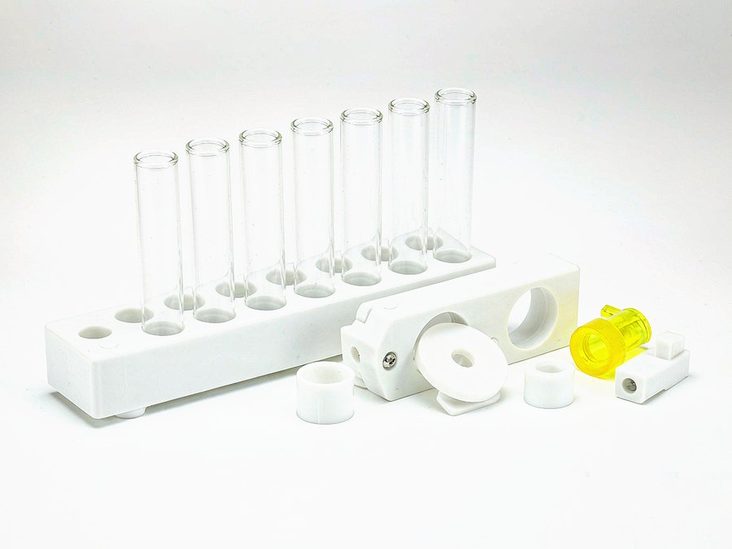
Laboratory equipment components and requirements.
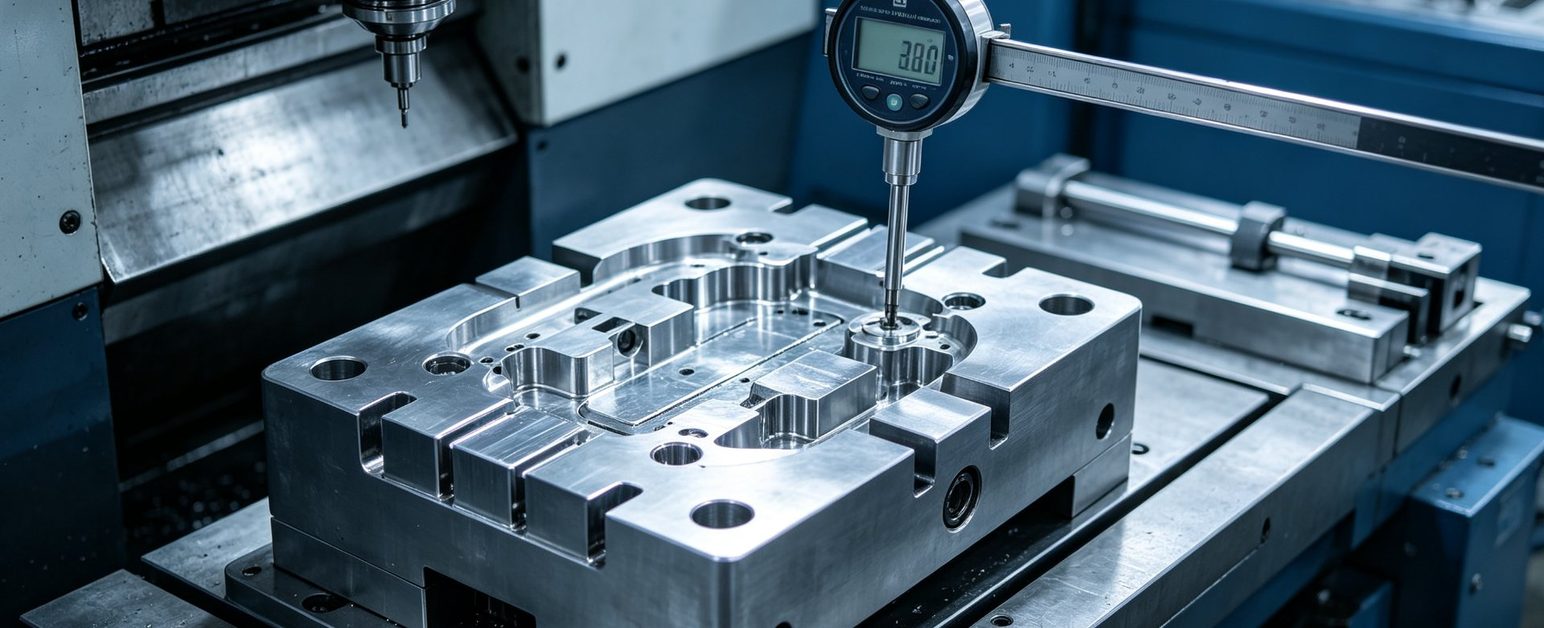
Precision tooling and fabrication review.
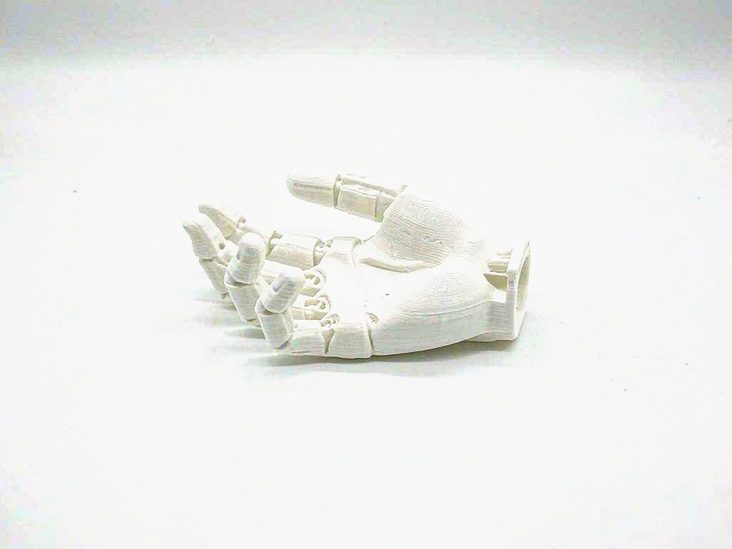
Prototype coordination with the supplier.
Supporting the development of a specialized acrylic product with non-standard technical, dimensional and fabrication requirements.
Discuss Your ProjectThe client required a specialized acrylic product with non-standard technical, dimensional and fabrication requirements. Details confidential.
Translate non-standard technical requirements into manufacturable specifications, find a supplier with the right fabrication capability, and validate through prototypes.
Move from unclear manufacturing routes to a defined technical requirement and a practical prototype/manufacturing approach.
The product was non-standard. It required specific material, dimensional and fabrication characteristics that typical suppliers could not reproduce from a generic drawing. The risk was that, without a supplier who truly understood the technical requirements, the result would not meet the application — or would require many costly iterations.
How Phenom Sourcing approached this project — from understanding requirements through controlled delivery.
Translated the application into clear manufacturing specifications, dimensions and performance requirements.
Reviewed acrylic grades and fabrication feasibility for the non-standard geometry.
Coordinated prototype fabrication and refined through iterations against the spec.
Kept supplier communication aligned to the technical requirements through validation.
Translated application needs into clear manufacturing specifications, dimensions and performance requirements.
Evaluated acrylic grades and fabrication methods suited to the environment and use.
Confirmed a practical fabrication route for the non-standard geometry.
Coordinated prototype fabrication with qualified workshops and refined through iterations.
Kept supplier discussions aligned around the technical requirements.
Acrylic grade matched to the application.
Tolerances and fit controlled.
Non-standard spec defined and documented.
Process matched to part geometry.
Iterative build and validation.
A practical route to production.
Prototype and sample validation were tied to the documented technical requirements. Dimensional and fabrication checks confirmed the part met the agreed specification before finalizing production.
The project workflow from requirement through delivery.
Define non-standard technical specs.
Select acrylic grade for the application.
Confirm a practical fabrication route.
Build and iterate prototypes.
Confirm the part meets requirements.
Verify before delivery.
Non-standard products require suppliers that can understand technical requirements rather than simply reproduce a standard product.
Tell us about your product, sourcing requirements or manufacturing challenge. We can help assess the right supplier, development approach and quality requirements.


